Chimney Flashing & Valley Leak Repair Fort Wayne IN
Precision Diamond Saw-Cut Reglet Counter-Flashings, Interlocking Step Flashings & W-Valley Heavy-Gauge Metal Renewal
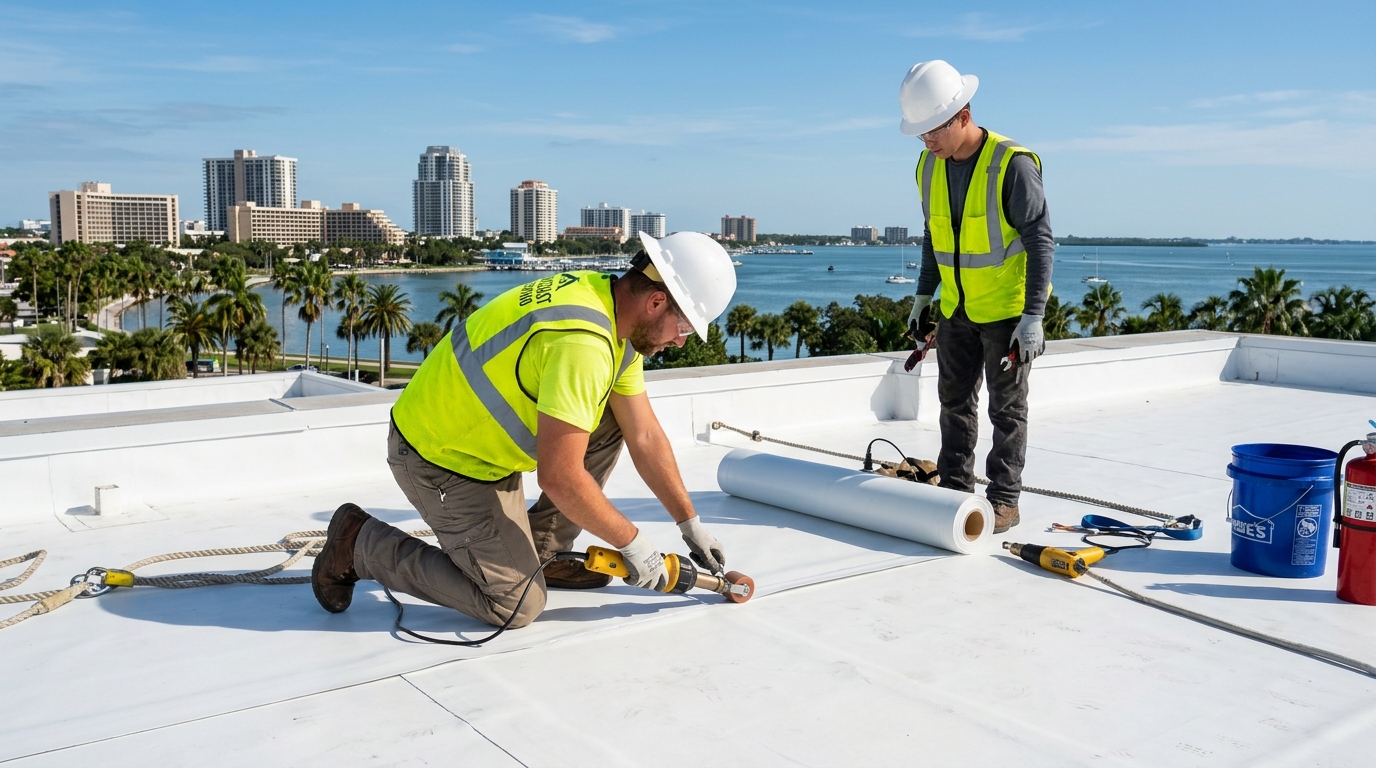
Chimney flashings and roof valleys endure the highest hydraulic concentration of water anywhere on a Fort Wayne residential roof. In historic neighborhoods across downtown Fort Wayne, 07 corridor, Forest Park, and West Central, aging brick chimneys and failing step flashings are the leading source of mystery ceiling leaks. Roof Expert USA dispatches independent flashing and masonry roofing specialists who restore masonry counter-flashings, cut precision diamond reglet joints, and install custom-bent metal seals that permanently halt rainwater penetration.
Engineering Specialty: Valley Metal Seal Renewal
Roof valleys collect and channel runoff from adjoining slopes, creating high-volume torrents that test the absolute limits of roof waterproofing. In many Fort Wayne homes built with closed-cut or woven asphalt shingle valleys, continuous hydraulic wash over decades wears down mineral granules, exposing brittle bitumen. In winter, snowmelt flowing into frozen valleys dams up and backs underneath shingle edges.
Dispatched roofing technicians specialize in valley metal seal renewal. Crews remove compromised valley shingles down to the deck sheathing, install double layers of self-adhering high-temperature ice and water shield membrane, and anchor heavy-gauge 26-gauge galvanized steel or aluminum W-valley metal flashings with hemmed splash ribs. The raised center rib prevents high-velocity runoff from one slope from forcing its way under the opposite slope shingles, guaranteeing permanent hydraulic management through torrential Midwest rainstorms and heavy winter snow thaws.
Chimney & Valley Flashing Engineering Protocols
Diamond Reglet Counter-Flashing Cuts
Technicians saw-cut 1.5-inch deep mortar joints into chimney brickwork using diamond blades, inserting custom-bent counter-flashing secured with lead wedges and polyurethane masonry sealant for airtight weather resistance.
Interlocking Step Flashing Integration
Each course of shingles along vertical sidewalls and chimneys is integrated with an individual L-shaped aluminum step flashing bent at 90 degrees, ensuring water is stepped down onto the shingle surface rather than behind the wall.
Cricket & Saddle Diverter Fabrication
For chimneys wider than 30 inches, technicians construct framed timber crickets (saddles) sheathed and flashed behind the chimney to divert water and snow accumulation around the masonry structure.
Chimney Crown & Mortar Inspection
Contractors inspect the concrete chimney wash (crown) for freeze-thaw spalling and hair-line cracks, applying elastomeric crown coatings and breathable siloxane water repellents to prevent saturated brick leaks.
Signs Your Fort Wayne Chimney Flashing Requires Immediate Repair
Water intrusion from chimney flashings frequently mimics a plumbing leak or central roof hole. Watch for these distinct indicators:
- Discolored Ceiling Drywall Near Fireplaces: Yellow or brown water rings on ceilings adjacent to your chimney breast indicate step flashing failure or deteriorated counter-flashing sealant.
- Damp Brickwork in the Attic: White efflorescence powder or dark wet stains on exposed chimney bricks in the attic crawlspace prove exterior masonry water saturation.
- Peeling Paint & Rusted Firebox: Rust forming on the metal fireplace damper or damp ash in the firebox confirms water running down the flue flue exterior.
- Visible Gaps or Tar Smears: Thick black roofing tar slathered around chimney bases is a temporary patch that cracks after one winter, exacerbating trapped moisture rot.
Frequently Asked Questions
Why does roofing tar fail when applied around chimney flashings? +
Roofing tar dries and becomes brittle when exposed to sunlight and winter freezing temperatures. Because chimneys and roof frames expand and contract at different rates, rigid tar cracks quickly, trapping moisture against brickwork and accelerating rot.
What is the proper method for sealing chimney flashing into brick? +
The gold standard is a two-piece flashing system consisting of base step flashing woven into each shingle course, overlapped by counter-flashing embedded 1.5 inches into mortar joints via diamond reglet cuts and locked with lead wedges.
What is a chimney cricket and does my Fort Wayne home need one? +
A chimney cricket (or saddle) is a peaked ridge structure built behind the high side of a chimney wider than 30 inches to split runoff and divert water, leaves, and snow around both sides of the chimney rather than letting it pool.
Can leaking chimney flashings cause structural wood rot? +
Yes. Flashing leaks allow water to run along chimney framing, roof rafters, and ceiling joists, triggering wood rot, mold proliferation, and compromised structural integrity before dripping through ceiling drywall.